Martha Cooper
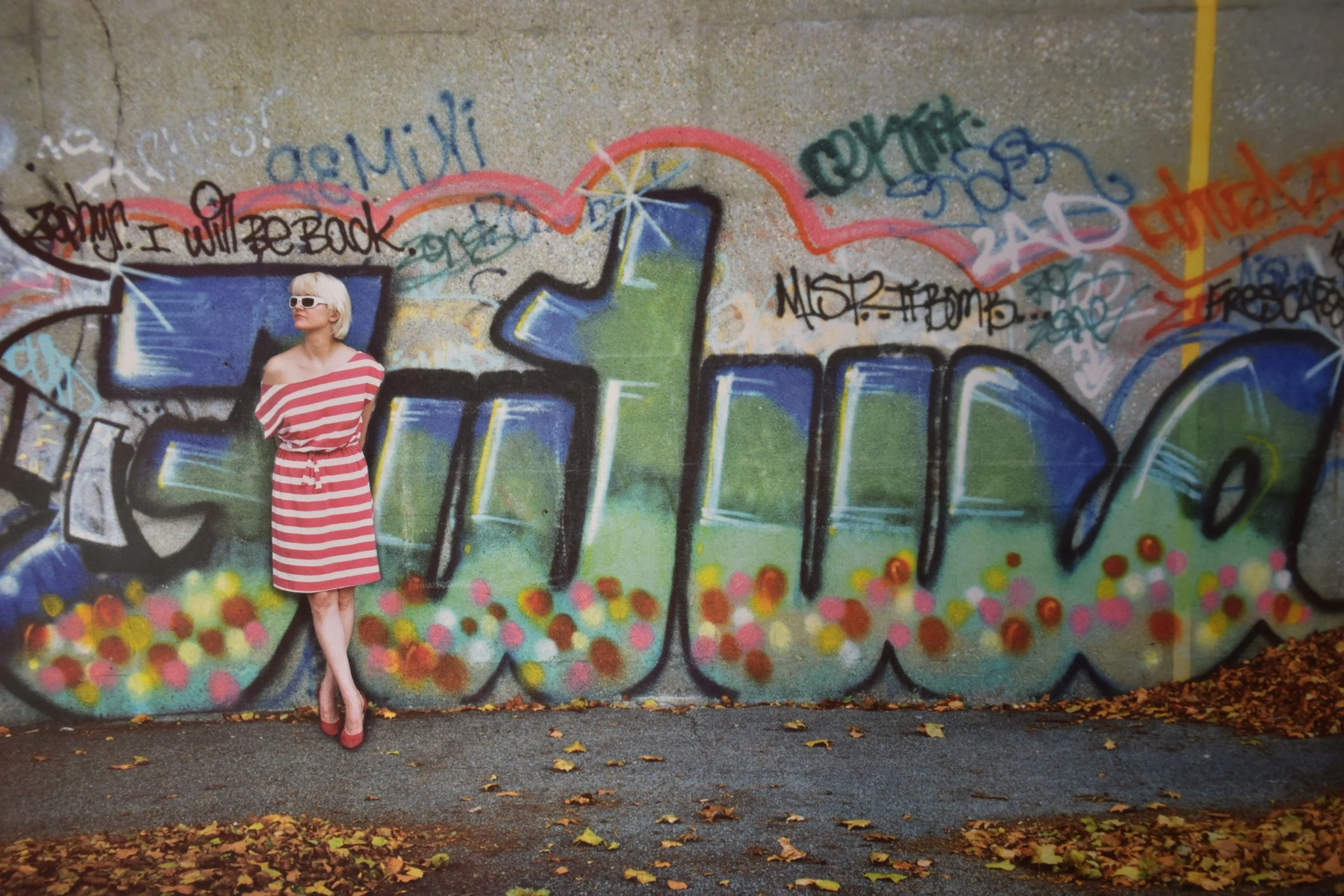
A photojournalist that the graffiti community entrusted.
The Nikon of Martha Cooper does not merely capture a street scene; it archives the existence of a rebellious subculture, validating an existence that is full of life, colour and interest within the city surroundings. To the average commuter of NYC, the vibrant, interlocking letters blooming across train carriages were commonly seen as a symptom of decay (visually suggesting that the transit authority had finally lost its grip to a movement of urban writers). Although to one curious lens, these were not seen as acts of mindless vandalism; they were ephemeral masterpieces that needed documenting...
In her late thirties, Martha had chosen to abandon the security of a major publication to chase paint on steel! The decision to quit her role as a Staff Photographer at the New York Post was seen as a considerable risk amongst her peers, a somewhat failure of career logic. However, it proved to be a necessary step to gain creative freedom; immersing herself in the world of street photography, her work became a love letter to the city and its people!
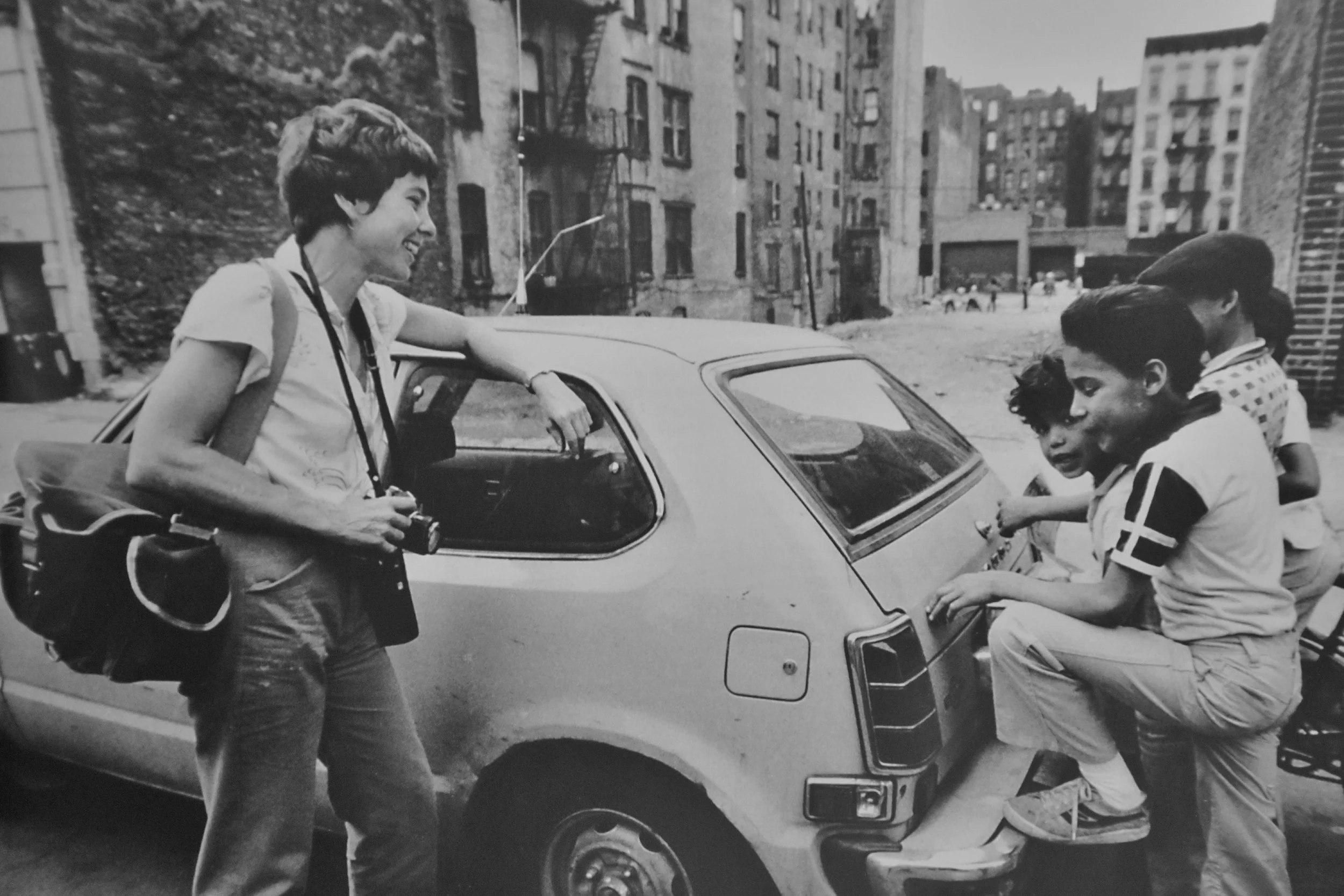
Cooper's portfolio extends beyond urban documentation. A collection of ethnological projects that include everyday life, involving human creativity with a commitment to capturing original, contextual moments. In the late 1970s, the city was slipping through fiscal cracks with streets in disrepair, offering an unpromising future for the next generation. Although this neglect was not seen as a limitation - but more of a creative palette, such as converting derelict environments into playgrounds, repurposing urban decay with an ingenuity that was as practical as it was poetic.
Cities change, but resourcefulness remains. Cooper captured a generation of youths inventing joy from the ruins of neglect - a visual thesis on how creativity takes root precisely where it was least expected. Her images are reminders that play is not a luxury, but a force! It shapes identities, builds communities, and helps them claim ownership over space that wasn't designed with them in mind.
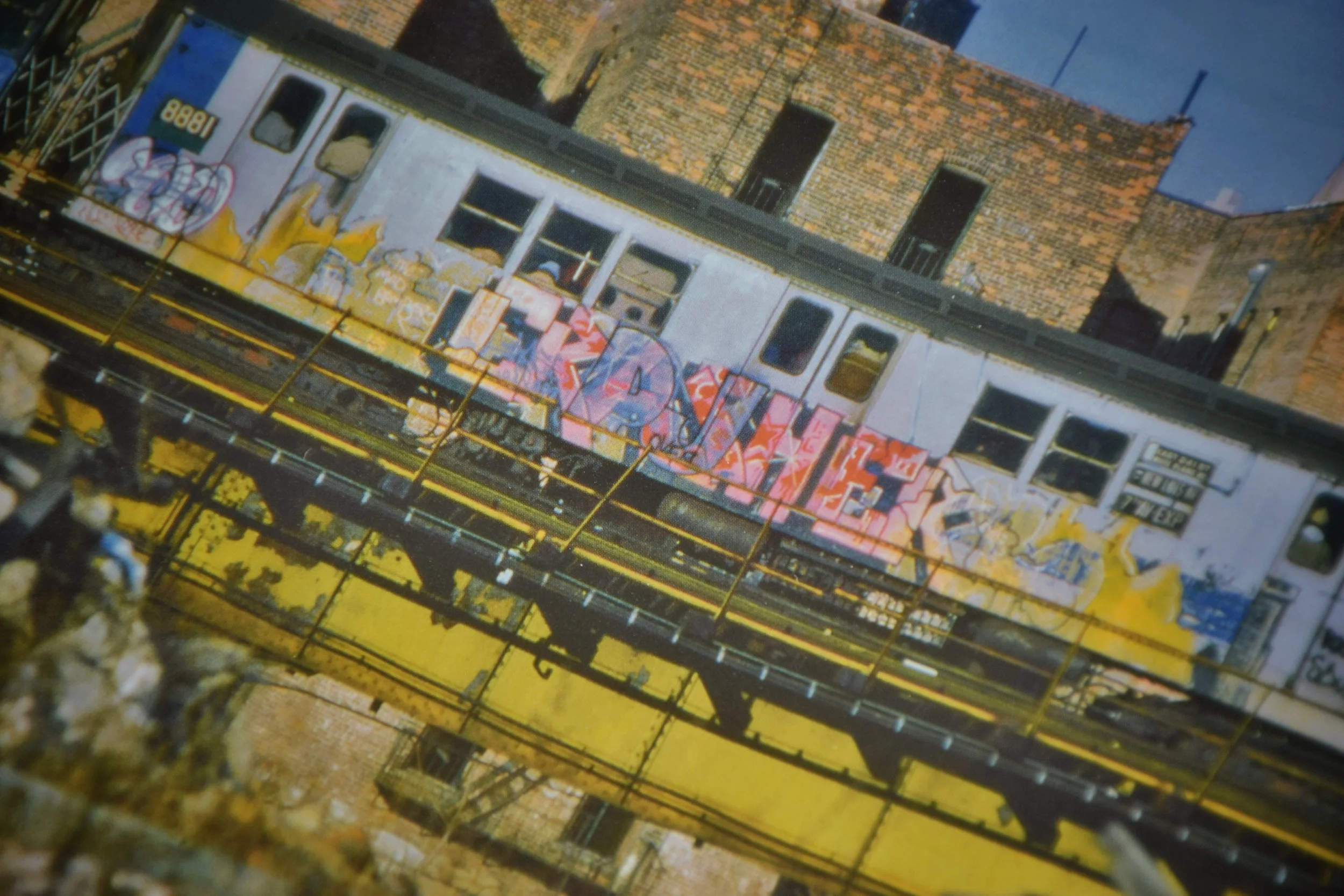
There is a particular tenderness in the way Martha Cooper has spent her life looking at the world, a patience that suggests she is waiting for a story to reveal itself, rather than trying to push one into focus. Her reputation, of course, is often tethered to the graffiti-soaked subway era, when the city’s train carriages thundered through the landscape like steel-plated diaries of a restless generation. But Cooper’s photographic world is far richer, and more anthropologically layered than the familiar mythology of urban grit alone might imply.
Capturing a culture’s truth allows its voice to resonate for decades...