Macro photography
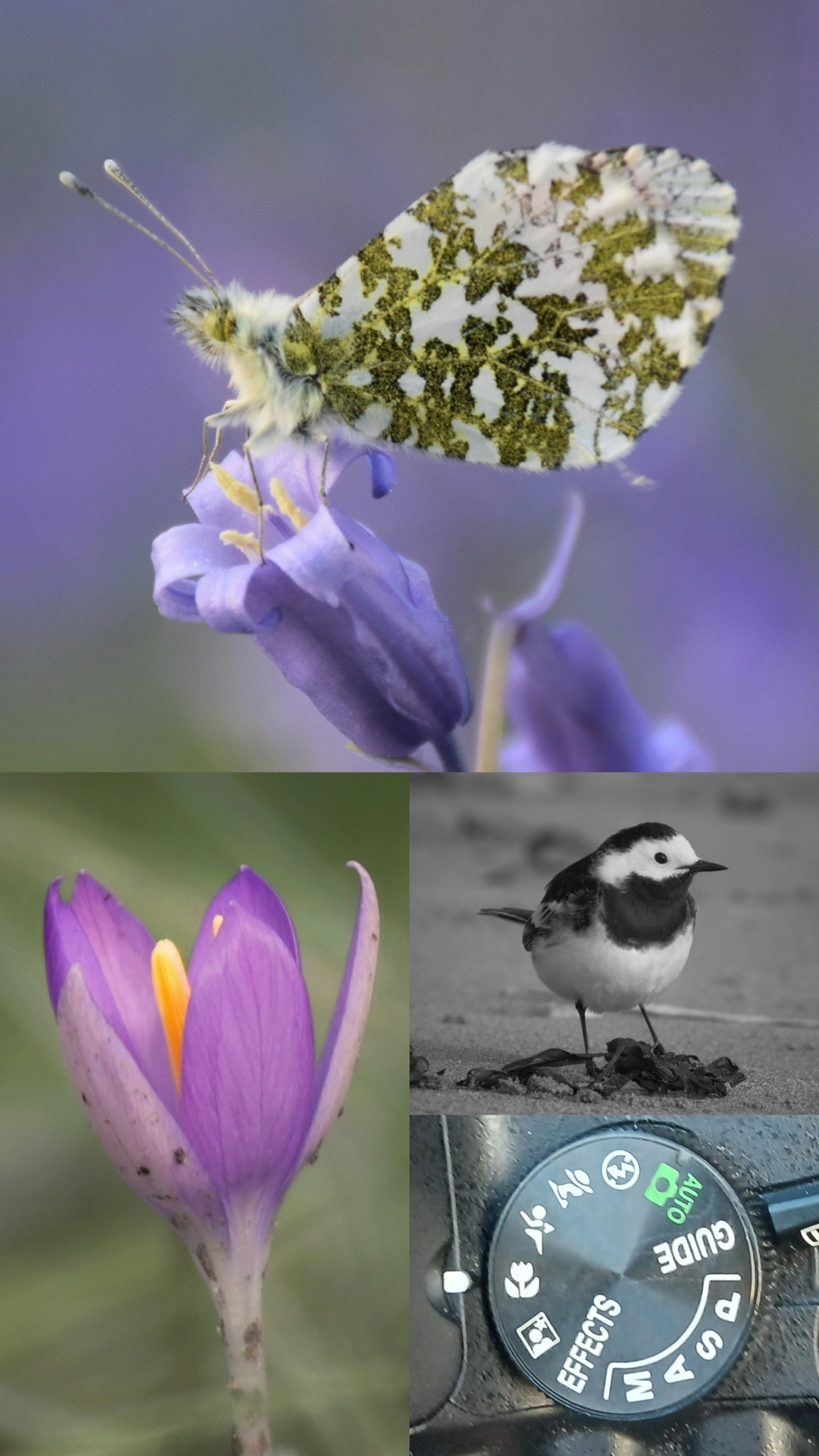
Elements of the everyday world reveal a surprising, quiet complexity. When you stop looking for the next landscape and start taking a closer look at subjects within your environment, hidden in plain sight is an entire genre waiting to be discovered. Macro photography magnifies this hidden world - a genre of photography that requires a deliberate pause, slowing down enough to examine the texture of a flower. Or the delicate, unseen patterns of an insect’s wing. It is a world of overlooked detail, hidden geometry and beautiful abstract artistry!
By learning to capture the true essence of this genre, observe the subtle shift of soft, diffused light to the harsh, defining contrast of direct sunlight. Remember that every moment is a fleeting, unrepeatable composition. Much like the organic rhythm of nature itself, be patient - embrace your surroundings and explore with curiosity...
Equipment recommendations
Macro lens: A 50–200mm range offers the best compromise between a manageable lens size and the necessary physical distance needed to shoot a small subject.
Tripod: The smallest of movements can potentially ruin the shot; using a tripod maintains sharpness and allows you to pay attention to the subject without worry.
Cleaning kit: Dust particles become highly noticeable at f/16, keep the lens clean with either a microfibre cloth, air blower or an ultra-soft specialised brush.
Approach
Stay observant, find an interesting subject (such as a flower for example).
Be patient, wait for the subject to settle and try not to force a composition.
Use shade or natural glows to reveal texture without harsh contrast.
Focus with intent, ensure that the details are sharp.
Use a wide aperture, so that the background dissolves into soft bokeh.
The smallest of subjects demand the most discipline - steady hands, clean optics and a willingness to wait for the exact moment when light and focus align. This kind of observation requires a photographer to move slower, breathe quieter and accept that most frames will fail before one feels and looks right!
Additional tips
Shoot in Burst Mode, the slightest of movements matter.
Consider using a remote shutter release or timer.
Review your images at 100% magnification.