Wildlife photography
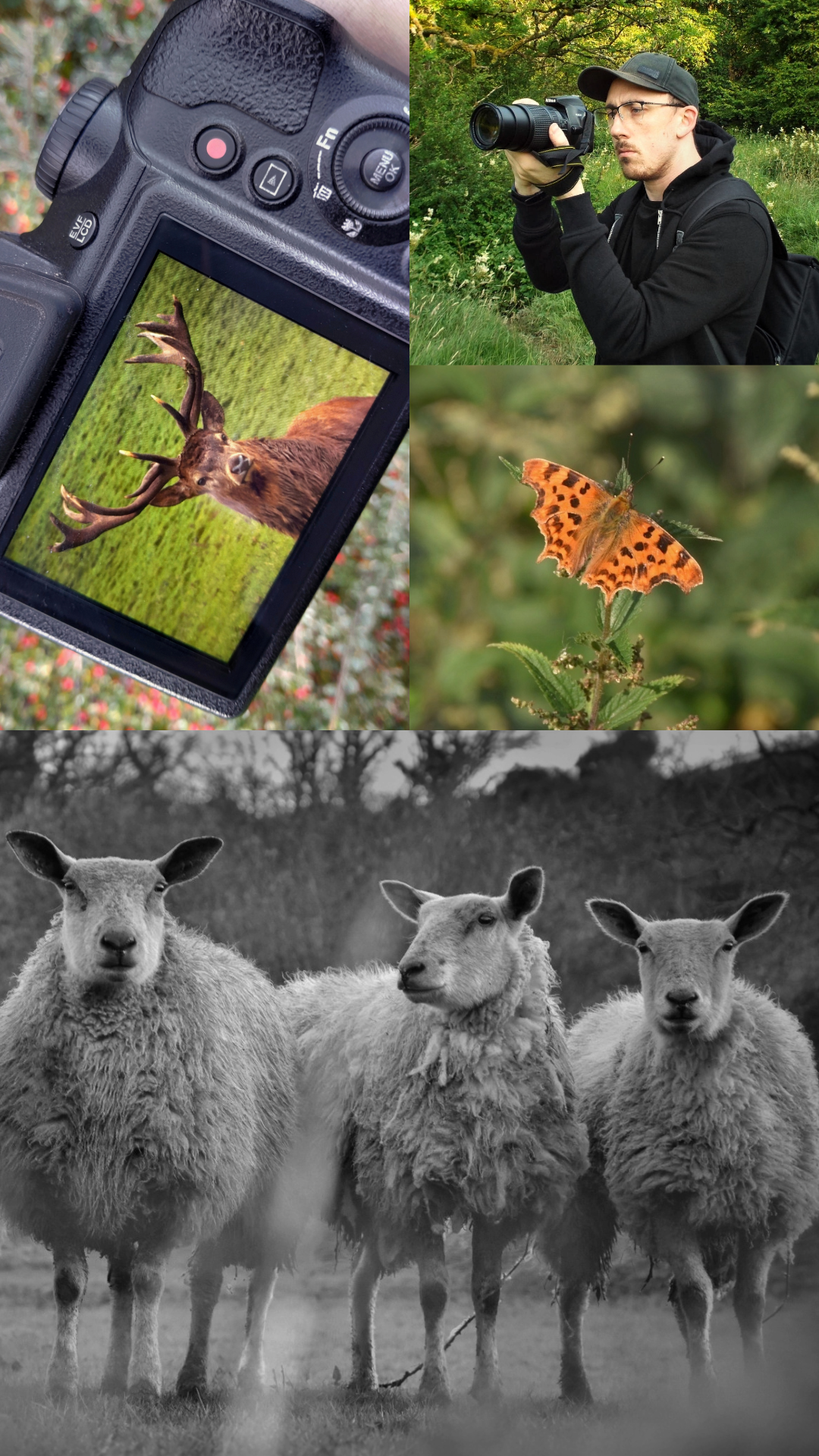
Photographing nature's rawest, untamed wonders involves connectivity within their habitat - relying on patience and moments of serendipity. To be able to achieve a powerful and authentic image, the understanding of technical proficiencies can be developed through dedicated practice and determination. Whilst it can be a deeply rewarding pursuit, seeking out wildlife within the landscape requires observational skills, persistence and a little bit of luck!
Wildlife photography is more than just capturing a sharp image of an animal; it is a profound intersection of devotion and appreciation with a deep-seated respect for the natural world. The genre has evolved from simple portraiture into a powerful medium for conservation storytelling - capturing the behavioural characteristics in those fleeting, magical moments that tell a story beyond the lens...
Approach
Research species - learn about behavioural traits within habitats.
Scout locations – explore forestry/water resource areas.
Prepare gear - charge camera battery(ies), pack an additional lens.
Remain patient - trust the process and stay observant.
Ethical matters - animal welfare is paramount, respect their environment.
Technical skills
Shutter speed: use 1/1000s or faster to freeze motion and 1/250s for slower subjects.
Aperture: use a wide aperture (f/2.8-f/5.6) for subject isolation and create a shallow depth of field.
ISO: keep low (100-800), minimise noise to achieve more sharper and detailed images.
Exposure compensation: adjust for challenging lighting conditions, +/- 1-2 EV (exposure value).
Continuous autofocus (AF-C): keep moving subjects sharp as they move unpredictably across the landscape.
Camera bag recommendations
Telephoto lens: arguably the most crucial piece of gear for bringing distant subjects closer without disturbing them. Typical focal lengths are in the 70-200mm range, but more specialised and expensive lenses of 400mm or more are often used by enthusiasts/professionals.
Extra memory card(s): a high capacity SDXC card (128GB+) can handle RAW files and continuous shooting – carrying a spare provides peace of mind for any possible technical issues that may occur out in the field.
General items: pack extra clothing accessories such as hat/gloves and snacks. Consider a camera body rain cover/a lens cloth to protect your equipment from the harsh weather elements at unpredictable times.